


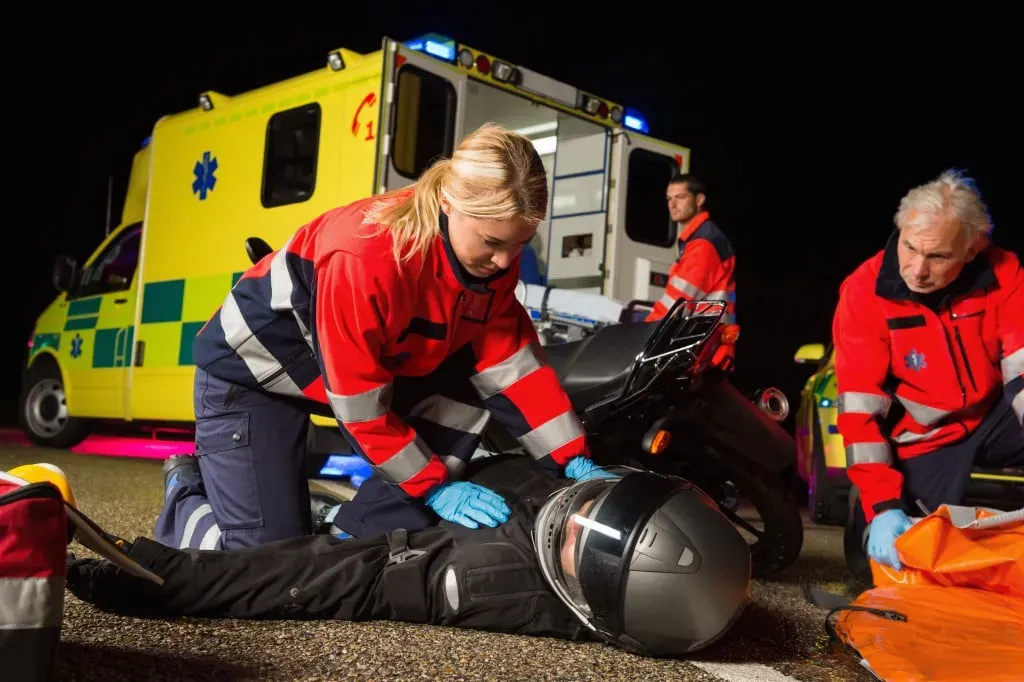
Motorcycle Accident Claims Scotland: Definitive Guide to Your Compensation & Legal Support
This guide provides a clear path from the scene to settlement: covering common causes such as speeding, distracted riding, and alcohol impairment; common injuries; exactly what to do next, including collecting evidence and reporting the crash; how the Scottish claims process operates, including time frames and court procedures; what evidence convinces insurers and courts, such as medical reports, accident scene photographs, and witness statements; how compensation is assessed based on injury severity, loss of earnings, and future care needs; funding options like legal aid and insurance coverage; time limits for making claims, which are typically three years from the date of the accident; and how to choose the right solicitor with experience in Scottish motorcycle accident claims.
Claim Solutions Scotland Ltd (trading as Claim Solutions Scotland) is a leading claims management company dedicated to helping motorcyclists navigate the complexities of accident compensation in Scotland.
Claim Solutions Scotland Ltd is authorised and regulated by the Financial Conduct Authority in respect of regulated claims management activities, registration number: 837720.
Quick take: what makes bike claims different?
- Riders are vulnerable road users; injuries tend to be more severe, with higher rehabilitation and future loss components.
- Fault patterns often include SMIDSY (“sorry mate, I didn’t see you”), right-turn conflicts, filtering disputes, and poor surfaces.
- Valuation in Scotland is individualised; there is no fixed “whiplash tariff” like England & Wales. Courts use the Judicial College Guidelines (JCG) in conjunction with Scottish case law.
Common causes on Scottish roads
- Junction errors (drivers turning across your path / failing to give way)
- Looked-but-failed-to-see while you’re filtering or overtaking
- Loss of control on bends (gravel, diesel, potholes, wet or polished surfaces)
- Following too closely / late braking by other drivers
- Mechanical defects (tyres/brakes) or badly secured loads
- Road defects (potholes, sunken ironworks) where a council/roads authority may be liable
Typical Injuries
- Fractures (collarbone, wrist, tibia/fibula), shoulder/knee injuries
- Head injury/concussion (always seek medical review)
- Spinal/soft-tissue (neck/back), nerve or brachial plexus injury
- Road rash/scarring
- Psychological injury (anxiety/PTSD, driving avoidance)
Exactly What To Do After A Motorcycle Crash
- Safety first & 999 if needed. Move out of danger; don’t remove a helmet if neck injury is suspected.
- Police & details. Obtain a reference number; exchange driver, insurer and vehicle details.
- Photograph everything: positions, debris, skid marks, road condition, signage, lighting, your bike/gear damage, and visible injuries.
- Witnesses: names and numbers; brief voice note of what they saw.
- CCTV/dashcam: note cameras (shops, buses, homes). Your solicitor can request footage before it’s overwritten.
- See a doctor early (even if you “feel fine”).
- Keep receipts: meds, taxis, parking, damaged helmet/leathers, off-work losses.
Who Can Claim

The Scottish claims process
- Free solicitor assessment: prospects, funding, rehab needs.
- Letter of Claim to the at-fault insurer (or MIB/authority).
- Evidence & medicals: independent medical report(s); further experts if needed (orthopaedic, plastic, neuro, psych, vocational).
- Interim payments: to fund treatment or tide you over if you’re off work.
- Negotiation: liability, then value (past and future losses).
- Court (if needed): Sheriff Court or All-Scotland Personal Injury Court. Most cases settle before proof (trial).
Evidence that strengthens a bike claim
- Scene: photos, plans, weather/lighting, defects (measure depth/size where safe).
- Vehicles: all damage angles; helmet/gear damage; airbag vest logs (if any).
- Witnesses/CCTV/dashcam: request promptly.
- Police: reference number, statements when available.
- Medical: GP/A&E notes, referrals, therapy attendance, prognosis.
- Work/finance: payslips, P60S, employer letter, self-employed accounts.
- Out-of-pocket: travel, meds, equipment, care/help provided by family (record hours).
How compensation is calculated in Scotland
1) General Damages (Solatium)
- Road rash/scarring (minor–moderate): ~£1,000–£10,000+ (location/visibility and need for revisions matter)
- Simple fractures with full recovery: ~£3,000–£15,000
- Serious fractures / joint injuries with residual symptoms: often five figures
- Moderate–severe head or spinal injury: can reach six figures depending on disability, care and prognosis
2) Special Damages (Financial Losses)
- Earnings: past loss, sick pay shortfall, overtime/bonus, future loss and pension impact (expert evidence often required).
- Treatment/rehab: surgery, physio, psychology, case management, equipment.
- Care/assistance: paid or reasonable family help.
- Travel/parking and meal costs at the hospital.
- Bike & kit: repair/total loss value, helmet, leathers, electronics.
- Home /Vehicle Adaptations for Serious Injury.
Your solicitor compiles a Schedule of Loss and obtains expert reports for future needs.
Interim payments
Funding

- No Win No Fee / success-fee agreements: no upfront solicitor fees; a pre-agreed, capped success fee is deducted only if you win (Scottish statutory caps apply).
- Typically, customers pay 20% inclusive of VAT of the compensation amount recovered by our third-party law firms, although this depends on your circumstances. Termination fees may apply if you do not keep to the terms of the agreement.
- Outlays/expenses: your solicitor will explain how court fees and experts are handled and whether After-the-Event (ATE) cover is sensible (note: ATE premiums are generally not recoverable from the opponent in Scotland).
- You’ll receive a clear client care letter outlining costs before you begin.
Contributory Negligence: Common Bike Issues
- Incorrect use of headlamps, excessive speed, improper positioning, failure to filter with due care, faulty/illegal tyres, or not wearing a helmet/unfastened strap may lead to percentage reductions. Good evidence and expert reconstruction help minimise any deduction.
- How long will it take? Straightforward, admitted-liability injuries may resolve in 6–12 months; serious or disputed cases often take 12–24+ months. Interim payments can ease the wait.
- Can I claim if I was partly at fault? Yes, Scotland applies apportionment. Your award is reduced by your share of blame (e.g., 20%).
- What if the other driver is uninsured or drove off? Claims run through the MIB. A police reference and prompt evidence gathering are essential.
- Do “whiplash tariffs” apply in Scotland? No. Scottish courts assess each case on its individual merits using JCG guidance and Scottish case law.
- Can I recover for damage to my helmet/leathers? Yes, these fall under special damages, accompanied by receipts/photos, and (for total loss) replacement quotes.
Simple Checklist
- Photos (scene, vehicles, road defects, lighting)
- Witness names/numbers
- Police reference number
- Medical attendance ASAP + follow-ups
- Keep receipts & a symptom diary
- Speak to a Scottish PI solicitor early
Ready to start?