Occupational Asthma Claims in the UK – How to Get Legal Help and Maximise Your Workplace Asthma Compensation

Occupational asthma is asthma that is caused or made worse by substances you breathe in at work. Recognising it early is vital, both for protecting your health and for preserving your right to claim compensation.
This guide explains:
-
What occupational asthma is and how it’s diagnosed
-
Common workplace causes and high-risk industries
-
The evidence you’ll need and the time limits that apply
-
How to make an occupational asthma claim in the UK
-
The types of compensation you can recover under the Judicial College Guidelines
-
How specialist industrial-disease solicitors support you (including No Win No Fee options)
Throughout, we refer to standard tests and bodies such as the HSE, NHS, GPs, spirometry, and PEF (peak expiratory flow), and we provide occupation-specific tips for baker’s asthma, isocyanate exposure, and other high-risk settings.
Take Our Quick Claim Quiz
Not sure if you have a viable occupational asthma claim?
Regulatory information and how we work
Claim Solutions Scotland Ltd is authorised and regulated by the Financial Conduct Authority in respect of regulated claims management activities, registration number: 837720.
We are a claims management company and receive payment from our partnered law firms. If your free claim assessment is successful, you will be connected to a specialist law firm.
No Win No Fee: Typically, customers pay 20% inclusive of VAT of the compensation amount recovered by our third-party law firms, although this depends on your circumstances. Termination fees may apply if you do not keep to the terms of the agreement.
What Is Occupational Asthma?
Occupational asthma develops when workplace exposures:
- Sensitise the airways (allergic, sensitiser-induced occupational asthma), or
- Irritate and damage the airways (irritant-induced occupational asthma),
leading to symptoms such as:
- Wheeze
- Cough
- Chest tightness
- Breathlessness, often worse at work and better away from work
A clear work-related pattern is important both medically and legally. Early recognition:
- Reduces the risk of long-term lung damage
- Creates clear medical records
- Provides stronger medico-legal evidence if you later bring a compensation claim
Current HSE and charity guidance emphasises objective testing and a clear occupational history as central to diagnosis and to any future legal case.
Common Causes and Workplace Asthmagens
Many workplace substances can trigger or worsen asthma. Typical asthmagens include:
- Isocyanates (often in paints, foams, varnishes and adhesives)
- Flour and grain dusts (baking, milling, food production)
- Wood dusts (carpentry, joinery, furniture making)
- Animal proteins (laboratories, farming, veterinary work)
- Cleaning chemicals and disinfectants
- Epoxy resins and reactive dyes
Two broad mechanisms are recognised:
- Sensitiser-induced asthma, usually after a latency period with repeated low-level exposure to a specific allergen
- Irritant-induced asthma, which may arise after a single high-level exposure incident or repeated exposure to irritant gases or fumes
For both health and claims:
- Exposure timing, PPE use, and job or task changes should be recorded
- Clinicians rely on these details to form the occupational exposure history
- Solicitors later use exposure records and witness statements to help evidence causation
Evidence-based reviews have identified many substances capable of causing allergic occupational asthma, with strong associations for bakery dusts, laboratory animal allergens, certain enzymes, seafood exposures, isocyanates and platinum salts.
How Do Medical Experts Diagnose Occupational Asthma?
Diagnosis typically involves several steps.
GP assessment and referral
Your GP:
- Takes an initial history and symptom timeline
- Asks about your job, tasks and substances you work with
- Arranges a referral to a respiratory specialist if work-related asthma is suspected
Objective lung function testing
Typical tests include:
- Spirometry, to measure airflow obstruction
- Serial peak expiratory flow (PEF) diaries, comparing readings at work and away from work
- In some cases, bronchial provocation tests may be considered, where safe and appropriate
Allergy and immunological testing (where indicated)
- Specific IgE blood tests for likely sensitisers
- Skin prick tests in some cases
Occupational exposure history
- Detailed history of jobs, tasks, substances, PPE and symptom patterns
- It may be supported by industrial hygiene reports that measure workplace concentrations
For claims, a medico-legal report from a respiratory specialist is often needed. This:
- Interprets the clinical history and tests
- Links symptoms and lung function changes to workplace exposure
- Distinguishes occupational asthma from other causes (for example, non-occupational asthma, smoking, or pre-existing disease)
Early medical records, PEF diaries and documentation of work-related absence are particularly valuable when later evidencing causation and valuing damages.
Which Industries and Jobs Carry the Highest Risk?
Occupational asthma can arise in many sectors, but reported risk is particularly high in:
- Baking and food production, flour, enzymes, grain dust
- Spray painting and body shops, isocyanates, solvents
- Woodworking and carpentry, hardwood and softwood dusts
- Agriculture and farming, animal dander, feed dusts, moulds
- Healthcare and cleaning, disinfectants, latex, cleaning agents
- Chemical and manufacturing industries, epoxy resins, reactive dyes, isocyanates
Risk varies with:
- The specific tasks performed
- Exposure frequency and intensity
- Quality of ventilation and engineering controls
- Availability and correct use of PPE
- Whether health surveillance and record keeping are in place
Knowing which jobs and tasks involve common asthmagens helps claimants and solicitors focus their evidence gathering, especially when reconstructing exposures from past employment.
Types of Occupational Asthma and How They Differ
There are two main types.
1. Sensitiser-Induced (Allergic) Occupational Asthma
- Usually follows a latency period after exposure begins
- Often associated with specific allergens (for example, flour, animal proteins, isocyanates)
- May show:
- Positive specific IgE or other allergy tests
- PEF or spirometry changes that correlate with work exposure
2. Irritant-Induced Occupational Asthma
- May occur after a single high-level exposure (for example, a chemical spill) or repeated irritant exposures
- May lack classic immunological markers
Diagnosis relies on:
- Documented exposure incident(s)
- A clear link between exposure and the start, or worsening, of symptoms
- Objective lung function changes
From a legal perspective:
- Sensitiser cases often depend on expert correlation between exposure history and symptom onset.
- Irritant cases often rely on proof of exposure incidents and subsequent clinical deterioration.
Both can benefit from specialist respiratory opinions and good workplace documentation.
Occupational Examples: Bakers, Spray Painters and Other Workers
Bakers
- Exposed to flour dust, enzymes and storage mites
- Typical pattern: symptoms worsen during shifts and improve at weekends or on holiday
Key evidence can include:
- PEF diaries and symptom logs
- Bakery risk assessments and COSHH records
- PPE policies and issue logs
- Witness statements from colleagues and supervisors
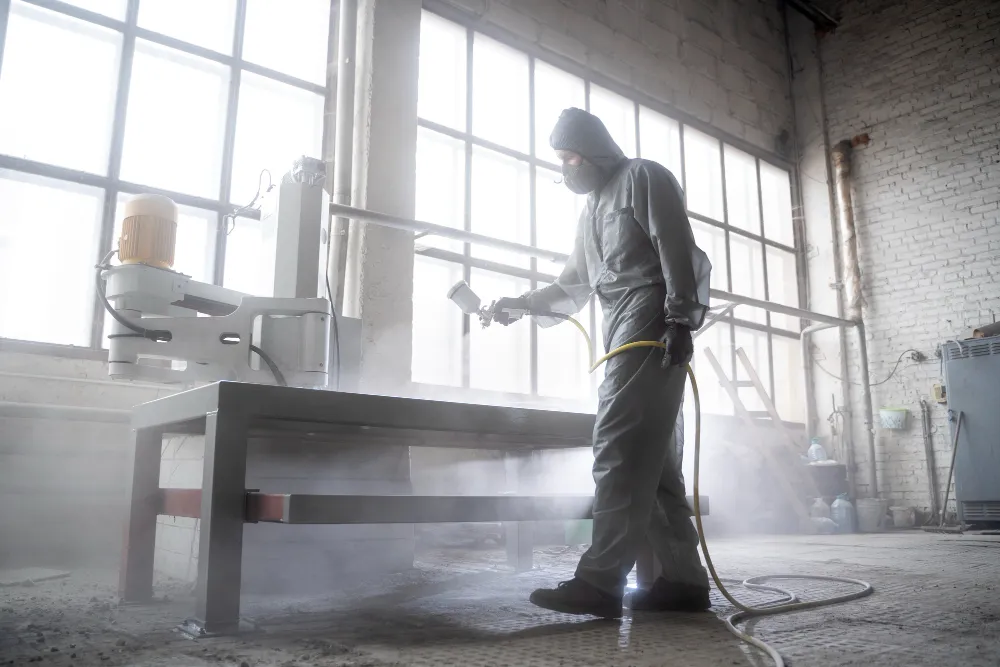
Spray painters and body shop workers
- Exposed to isocyanates and solvents
- Both sensitiser-induced and irritant asthma are seen
Key evidence can include:
- Product Safety Data Sheets (SDS)
- Spray booth records and ventilation testing reports
- Occupational hygiene measurements
Other at-risk workers
- Laboratory staff (animal allergens, enzymes)
- Healthcare workers (cleaning and disinfection chemicals, latex)
- Farmers (animal proteins, moulds, hay and grain dusts)
Barriers to evidencing causation can include missing records, frequent job changes and limited historic monitoring. Witness statements, PPE records and sick leave patterns can help fill gaps.
How Occupational Asthma Claims Are Typically Pursued in the UK (Step-by-Step)
1. Initial assessment
- Note symptoms and when they occur in relation to work.
- See your GP and mention your job and suspected exposures.
2. Medical testing
- Obtain spirometry and serial PEF diaries.
- Ask for a referral to a respiratory specialist for a formal diagnosis.
3. Workplace evidence gathering
Collect or request:
- Risk assessments and COSHH records
- Safety Data Sheets (SDS) for products used
- PPE policies and issue logs
- Health surveillance records (if any)
- Colleague witness statements about tasks, substances and controls
4. Legal advice and expert instruction
If you proceed after a free assessment, you may be referred to a specialist law firm. The appointed solicitors may:
- Trace current or former employers and insurers
- Instruct respiratory and occupational hygiene experts
- Prepare and send a letter of claim to the defendant’s insurer
5. Negotiation or litigation
- If liability is admitted, the appointed solicitors can negotiate settlement based on medical and financial evidence.
- If liability is denied or offers are inadequate, they may issue court proceedings and continue the claim through the court process.
Evidence You Will Need for a Strong Workplace Asthma Claim
Successful claims often rely on a package of medical, occupational and financial evidence.
Claim Steps and Key Evidence
|
|
|
|
|
|
|
|
|
|
|
|
|
|
|
|
|
|
|
|
|
|
|
|
Practical tips:
- Ask for copies of your GP notes, clinic letters and test results.
- Keep a PEF diary and symptom log (dates, tasks, where you were working).
- Note the names of colleagues, supervisors and any safety representatives.
- Keep any emails or documents that raise concerns about dusts, fumes or inadequate PPE.
Objective and contemporaneous records often carry the most weight with insurers and courts.
How No Win No Fee Agreements Work for Asthma Claims
Many industrial disease solicitors offer No Win No Fee (conditional fee) agreements. This can allow you to pursue a claim without paying standard legal fees upfront.
Key points to clarify:
- What is covered, including legal work, expert reports and court fees
- Success fee, how it is calculated and capped, and what percentage might be deducted from your damages if the claim succeeds
- Disbursements, who pays for medical and expert reports if the claim fails
- Cost protection, whether After-The-Event (ATE) insurance is recommended to cover adverse costs
Ask these questions at the first meeting and request the terms in writing.
What Compensation Can You Claim for Occupational Asthma?

Compensation can cover several heads of loss, including:
- General damages, pain, suffering and loss of amenity
- Past and future loss of earnings
- Care and assistance costs (paid or unpaid)
- Medical expenses and equipment (inhalers, treatments, nebulisers, and home adaptations)
Awards are often valued with reference to the Judicial College Guidelines and depend on:
- Severity and control of asthma
- Frequency of exacerbations and hospitalisations
- Impact on daily activities and hobbies
- Effect on employment and future earning capacity
- Age and prognosis
Heads of Loss and Evidence (Illustrative Notes)
|
|
|
|
|
|
|
|
|
|
|
|
|
|
|
|
|
|
|
|
For long-term or severe asthma, vocational evidence may be required to help quantify future loss of earnings.
How Are Compensation Amounts Calculated?
The process generally involves:
- Placing general damages within an appropriate bracket (based on medical evidence)
- Calculating past losses (earnings, travel, prescriptions, private treatment) from receipts and records
- Estimating future losses using medical prognosis and evidence about work capacity
Factors that may increase compensation include younger age with long-term impairment, persistent or severe asthma, and inability to return to the previous occupation. Factors that may limit future loss include good response to treatment or moving to less exposed work with comparable pay.
Time Limits for Occupational Asthma Claims in the UK
The general rule for personal injury claims is a three-year limitation period.
For occupational asthma, this usually runs from the date of knowledge, when you:
- You knew you had a significant condition, and
- You knew (or reasonably should have known) that it was related to your work
This may be the date of formal diagnosis, or when a clinician first suggested a work-related cause.
Exceptions
- Children, time often runs from their 18th birthday
- Lack of mental capacity, limitation may be paused
- Disputes over knowledge, where asthma was initially attributed to other causes
Because limitation can be fact-specific, it is best to seek advice as soon as you suspect a work link.
How a Specialist Solicitor Can Help
If you proceed after a free assessment, you may be referred to an independent specialist law firm. The appointed solicitors can:
- Assess eligibility and limitation at an early stage
- Seek relevant employer records (risk assessments, COSHH, SDS, PPE, surveillance)
- Instruct appropriate respiratory physicians and occupational hygienists
- Prepare a schedule of loss using medical and financial evidence
- Negotiate with insurers and, if required, issue and run court proceedings
A good solicitor should keep you updated, manage deadlines and explain funding options clearly.
FAQs
What should I do if I suspect I have occupational asthma?
- See your GP promptly and describe your job, substances used and symptom pattern.
- Ask about referral to a respiratory specialist.
- Start a symptom and PEF diary recording when symptoms worsen or improve.
- Consider informing your employer; workplace adjustments may be needed to protect your health.
Can I claim compensation if my employer did not provide adequate PPE?
Possibly. Employers must take reasonable steps to provide a safe workplace, which can include suitable PPE, training, engineering controls and safe systems of work. If inadequate PPE, poor training or other safety failures contributed to your asthma, you may have a valid claim.
How long does an occupational asthma claim usually take?
Timeframes vary:
- Straightforward cases with clear liability may resolve within several months.
- Complex claims requiring multiple experts or contested liability can take a year or more.
What if my employer denies responsibility?
A denial of liability does not end your claim. The appointed solicitors can gather further evidence and, if appropriate, issue court proceedings.
Are there costs involved in making an occupational asthma claim?
There can be costs for medical assessments and expert reports, and court fees if litigation is required. Funding options vary by case.
What role do medical experts play?
Medical experts confirm diagnosis and severity, assess prognosis and provide an opinion on whether work exposures caused or worsened asthma.
Conclusion
Understanding how occupational asthma is recognised, diagnosed and pursued can help you protect your health and understand your legal options.
To protect your position:
- Seek early medical advice and ask about a possible work link
- Keep clear records of symptoms, work exposures and any workplace changes
- Seek advice as soon as occupational asthma is suspected
If you believe your asthma may be related to your job, you can take a free assessment and, if successful, you may be referred to a specialist law firm.