


Pleural Plaques Compensation Scotland: How to Claim Asbestos Compensation with Expert Legal Support
- What pleural plaques are and how asbestos exposure causes them
- How they are diagnosed and what symptoms (including anxiety) may be relevant
- Who can bring a pleural plaques claim in Scotland
- How the Scottish legal position differs from other parts of the UK
- The step-by-step pleural plaques claims process
- What compensation can cover, and how it is calculated
- How specialist Scottish asbestos solicitors and No Win No Fee funding can help
Important Information About Our Service
- We are not a law firm and do not provide legal advice.
- If your circumstances appear suitable, we may introduce you to an independent solicitor regulated in the relevant UK jurisdiction who can advise you on pleural plaques and other asbestos-related compensation claims.
- Any solicitor we introduce you to will act independently in your best interests and will explain their own terms and conditions, including any No Win No Fee (or similar) arrangements they may offer.
- Where a claim is successful, our typical fee is 20% (inclusive of VAT) of the compensation recovered via the third-party solicitor (subject to the terms of your individual agreement).
- Termination fees may apply if you cancel after the cooling-off period or do not keep to the agreement.
- You are free to choose another solicitor instead of any firm we introduce.
What Are Pleural Plaques and How Do They Relate to Asbestos Exposure in Scotland?
- Pleural plaques are usually benign and non-progressive.
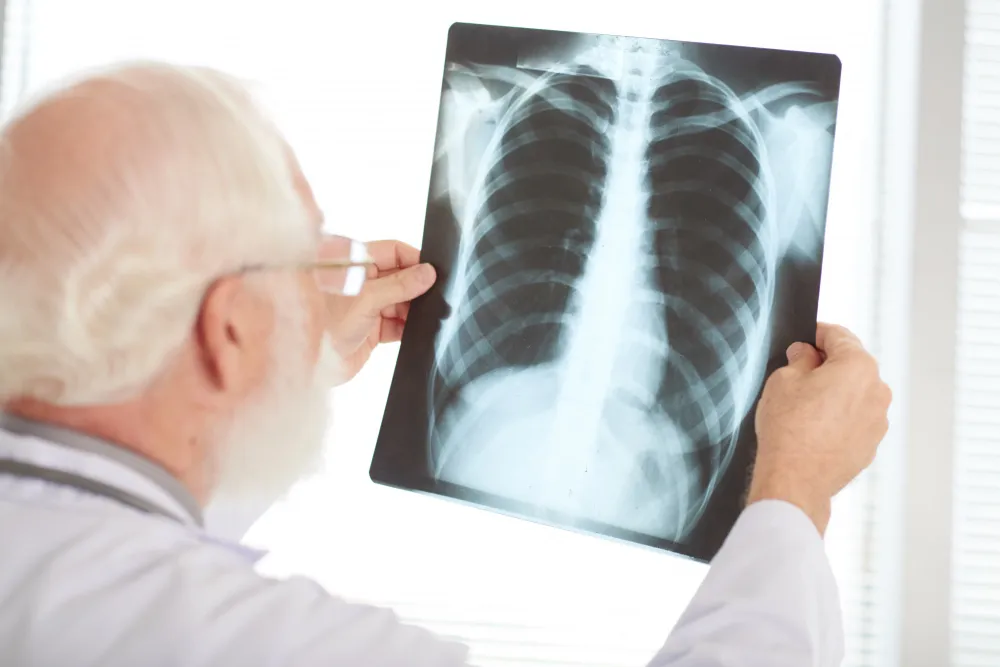
- They are often found incidentally on a chest X-ray or CT scan.
- Many people have no physical symptoms, but some report chest discomfort or mild breathlessness.
- The knowledge of past asbestos exposure and a permanent lung change can cause significant anxiety and distress, which is legally relevant in Scottish claims.
What Causes Pleural Plaques and Which Scottish Industries Are Most Affected?
- Shipbuilding and repair yards (e.g. Clyde shipyards in and around Glasgow)
- Construction and demolition of buildings containing asbestos materials
- Engineering, manufacturing and power plants using asbestos lagging or insulation
- Railway, dock and offshore work
- Secondary exposure at home, for example, from laundering contaminated work clothing
- The employer(s) who exposed you to asbestos
- Your job roles and specific tasks (e.g. lagging, cutting boards, stripping insulation)
- Key sites and locations (shipyards, power stations, factories, building sites)
- The time periods you worked there, and how dusty the conditions were
How Are Pleural Plaques Diagnosed and What Are the Typical Symptoms?

- Chest X-ray – may show calcified or non-calcified plaques
- CT scan – more sensitive and often used to confirm and map plaques
- Radiology report – describes the presence, location and extent of plaques
- Have no noticeable physical symptoms, or
- Experience mild chest discomfort or breathlessness, and
- Feel significant anxiety about future asbestos-related illness
- Copies of chest X-ray and CT scan reports
- Any letters from your GP, respiratory clinic or hospital confirming the diagnosis
- Notes showing when you were first told you had pleural plaques and that asbestos was the likely cause
- Prove the diagnosis
- Help fix the “date of knowledge”, which drives the time limit for bringing a claim in Scotland
Who May Be Eligible to Make a Pleural Plaques Claim Under Scottish Law?
- Clinical diagnosis of pleural plaques
- Credible asbestos exposure that could have caused them
- Compliance with Scottish limitation (time-limit) rules
- You have confirmed pleural plaques on imaging
- You can identify work or secondary exposure in Scotland (or with a Scottish legal connection) where asbestos was present
- You can point to an employer or other party who owed you a duty of care and failed to protect you adequately
- You seek legal advice within three years of being told about your plaques and their asbestos link
- Radiology and clinic reports describing pleural plaques
- GP and hospital notes mentioning asbestos exposure or concern
- Employment records – contracts, pay slips, pension statements, union documents
- Statements from colleagues or family about dusty, asbestos-contaminated work
- Documentation of secondary exposure (for example, washing or handling dusty overalls at home)
How Does the Damages (Asbestos-related Conditions) (Scotland) Act 2009 Affect Pleural Plaques Claims?
- Confirms that asbestos-related pleural plaques, pleural thickening and asbestosis are compensable personal injuries under Scots law, even where they are symptomless
- Effectively restored the right to seek damages in Scotland when similar claims were blocked elsewhere in the UK
- Created a distinct legal position for Scottish claimants, which has been upheld following court challenges
- If your pleural plaques are linked to asbestos exposure with a Scottish legal connection, you may have a compensable condition even if your physical symptoms are mild.
- Compensation can reflect both:
- The physical injury (permanent scarring of the pleura), and
- The anxiety and distress of knowing you have an asbestos-related condition and an increased risk of future disease.
- The physical injury (permanent scarring of the pleura), and
- The anxiety and distress of knowing you have an asbestos-related condition and an increased risk of future disease.
How Does the Pleural Plaques Claims Process Work in Scotland?
Step-by-Step Stages
1. Initial Enquiry and Evidence Review
- You contact a Scottish asbestos solicitor.
- Provide your medical reports and a brief work/exposure history.
- The solicitor assesses whether there is a potential claim and explains funding options, including any No Win No Fee arrangements they may offer.
2. Medical Report
- A specialist medical or radiology report confirms the presence of plaques and comments on their causation and impact.
- Existing NHS imaging is often re-reviewed by an independent expert instructed by the solicitor.
3. Letter of Claim / Pre-Action Stage
- Your solicitor identifies the likely defendant employer(s) and their insurers.
- A formal Letter of Claim is sent, summarising your diagnosis, asbestos exposure and the legal basis for compensation.
- Defendants are given time to investigate and respond.
4. Negotiation or Court Proceedings
- Insurers investigate and respond to liability.
- Many pleural plaque claims are resolved through negotiation and settlement without the need for a full court hearing.
- If liability or value is disputed, your solicitor may raise court proceedings in Scotland.
5. Settlement / Award and Payment
- If your claim is successful, an agreed settlement or court award is paid.
- Your solicitor will deduct any agreed success fee and account for legal costs in line with your funding agreement, then arrange payment of your net compensation.
Typical Documents and Timescales
Early and organised evidence gathering often shortens timescales and improves the chances of settlement without lengthy litigation.
Why Choose Specialist Pleural Plaques Solicitors in Scotland?

Pleural plaques claims are highly specialised, and the Scottish legal framework is different from that in England and Wales. A solicitor with specific experience in:
- Asbestos claims in Scotland
- The 2009 Act and associated case law
- Historic Scottish industrial and shipyard exposure
is better placed to:
- Identify the correct defendants and insurers
- Prove the link between asbestos exposure and your pleural plaques
- Quantify both the diagnosis-related harm and anxiety/distress
- Navigate Scottish limitation rules and court procedures
- Explain funding options clearly, including any No Win No Fee arrangements
When choosing a firm, look for:
- A track record in Scottish asbestos and pleural plaques litigation
- Transparent, written explanations of fees and any success charges
- A clear plan for collecting medical and occupational evidence
- Regular, plain-language updates on progress
How Does No Win No Fee Work for Pleural Plaques Claims in Scotland?
Many Scottish asbestos solicitors offer No Win No Fee (or similar conditional fee) arrangements for pleural plaques claims.
Typical features include:
- No upfront solicitor fees to start your case
- If the claim is unsuccessful, you normally do not pay the solicitor’s basic costs
- If the claim succeeds, the solicitor may charge a pre-agreed success fee, usually taken from a capped portion of your compensation
- Disbursements (such as medical report fees or court fees) and any insurance to cover adverse costs should be explained in full
Before signing, it’s sensible to confirm:
- Funding clarity – ask for the full terms in writing
- Costs on success – what percentage or amount might be deducted from your damages, if any
- Costs on failure – who pays disbursements or opponent costs, and whether separate insurance is recommended
- Responsibility for expert fees – how medical and other expert reports will be funded
Understanding this at the outset keeps the process predictable and reduces financial stress.
START YOUR CLAIM TODAY – CONTACT US
What Compensation Can You Expect for Pleural Plaques in Scotland?
 Compensation for pleural plaques in Scotland typically focuses on:
- The fact of an asbestos-related physical injury (the plaques themselves)
- The anxiety and distress caused by a diagnosis and increased future risk
- Occasionally, there any associated mild physical symptoms or functional impact
- The legal costs of bringing the claim
There are no fixed tariffs, and each case is assessed individually, but the following components are common:
How figures are calculated will depend on:
- Your age and circumstances at diagnosis
- The medical description and extent of your plaques
- The level of anxiety and how it affects your day-to-day life
- Whether you are seeking provisional damages to protect rights if you later develop a more serious asbestos-related condition
Your solicitor will prepare a schedule of loss and negotiate with the defendant, or present your case to the court if required.
How Do Pleural Plaques Claims Differ from Other Asbestos-Related Disease Claims?
It can be helpful to understand where pleural plaques sit alongside other asbestos-related conditions:
Pleural plaques
- Usually benign and non-progressive
- Often asymptomatic or mildly symptomatic
- Claims focus on diagnosis and anxiety/distress, not major disability
Pleural thickening
- More diffuse scarring around the lung
- More likely to cause breathlessness and reduced lung function
- Higher compensation where there is a measurable physical impairment
Asbestosis
- Scarring within the lung tissue
- Progressive breathlessness and reduced exercise tolerance
- Claims emphasise long-term care, disability and loss of earnings
Mesothelioma
- Malignant cancer of the pleura or peritoneum, almost always caused by asbestos
- Very serious and usually rapidly progressive
- Often pursued through expedited, higher-value claims
Pleural plaques claims in Scotland therefore concentrate on the recognised injury plus the emotional impact, rather than major physical disability. This is reflected in the legal strategy and likely award levels.
Can I Claim for Pleural Plaques in Scotland?
Can I Claim for Pleural Plaques in Scotland?
Yes. Under Scottish law, if you have a confirmed diagnosis of pleural plaques and can credibly link them to asbestos exposure with a Scottish legal connection, you may have a valid claim.
Practical first steps:
- Gather your radiology reports
- Keep GP and hospital letters that refer to asbestos exposure
- Write a simple work history (employers, sites, dates, roles)
- Speak to a Scottish asbestos solicitor as soon as possible to check time limits
How Long Do I Have to Make a Pleural Plaques Claim in Scotland?
In most cases, you have three years from the date you first knew (or reasonably should have known) that:
- You had pleural plaques, and
- They were linked to asbestos exposure.
This is often treated as the date you were told about your diagnosis and its cause. Limitations can be complex, especially for older exposures or where there have been previous claims, so early legal advice is recommended.
Can Family Members Claim Compensation for Pleural Plaques?
Pleural plaques claims are generally brought by the person who has been diagnosed with them. In some situations, if someone with pleural plaques has later developed another asbestos-related disease and died, family members may have rights to bring a dependency or estate claim.
If you are a relative and unsure of your position, it is important to discuss the specific history, diagnosis and any previous claims with a Scottish solicitor.
What Evidence Do I Need to Support a Pleural Plaques Claim?
Useful evidence includes:
- Medical evidence – X-ray and CT reports, clinic letters confirming pleural plaques and asbestos link
- Employment history – names of employers, dates, sites, roles, job descriptions
- Witness evidence – colleagues who can describe dusty conditions or asbestos-containing materials
- Any documentation linking sites to asbestos – training records, HSE notices, safety documentation, union records
Your solicitor can help you request and organise this evidence, and may also use external archives or investigators to trace former employers and insurers.
Are There Costs Involved in Making a Pleural Plaques Claim?
There can be costs such as:
- Obtaining medical records and specialist reports
- Court fees and other disbursements
However, many Scottish asbestos firms offer No Win No Fee arrangements, which can mean:
- No upfront solicitor fee
- No payment of the solicitor’s basic costs if the claim is unsuccessful
- A pre-agreed success fee only if your claim succeeds
Always ask for a full written explanation of potential costs, success fees and any insurance before you sign an agreement.
Taking the Next Step: Getting Help With a Pleural Plaques Claim in Scotland
Being told you have pleural plaques can be unsettling—especially when you know they stem from past asbestos exposure. Understanding your rights under Scottish law is an important way to regain control.
If you or a loved one has been diagnosed with pleural plaques:
- Gather your medical reports and letters confirming the diagnosis
- Write down your work and exposure history, and any secondary exposure at home
- Complete our quick claim quiz to outline your situation
- Arrange a no-obligation assessment with a specialist Scottish asbestos solicitor
- Ask about No Win No Fee funding and what evidence is needed to start your claim
With expert legal support, you can explore whether you are entitled to pleural plaques compensation in Scotland, understand likely outcomes, and take informed steps to protect your position and your family’s peace of mind.